From Pinterest Trend to Personal Practice: The Evolution of Romanticizing Your Life
If you’ve ever typed romanticize your life into Pinterest, saved a dozen dreamy images, and then quietly thought,
“Okay… but how do I actually live this?”
You’re not alone.
Romanticizing your life became a trend because it tapped into something very real. A longing for beauty. Slowness. Meaning. A softer way to exist in a world that often feels rushed and demanding.
But somewhere between the mood boards and the aesthetics, the deeper point got lost.
What started as a way to connect more deeply with life became something many women felt pressured to perform.
And that’s where the evolution begins.
Where the Idea Originally Came From
Long before Pinterest boards and Instagram reels, romanticizing life already existed.
It showed up in literature, art, rituals, and everyday practices centered on slowing down and noticing meaning.
The Romanticism movement of the late 18th and early 19th centuries was a response to industrialization and rigidity. Artists and writers leaned into emotion, nature, intuition, and the inner world. Life was not meant to be rushed through or measured only by output. It was meant to be felt.
Romanticizing life was never about perfection. It was about depth. About experiencing beauty alongside reality. About honoring emotion, seasons, and the human experience.
In many ways, the modern conversation is simply a return to that idea, filtered through contemporary life.
The Pinterest and Instagram Era
Then came the aesthetic era.
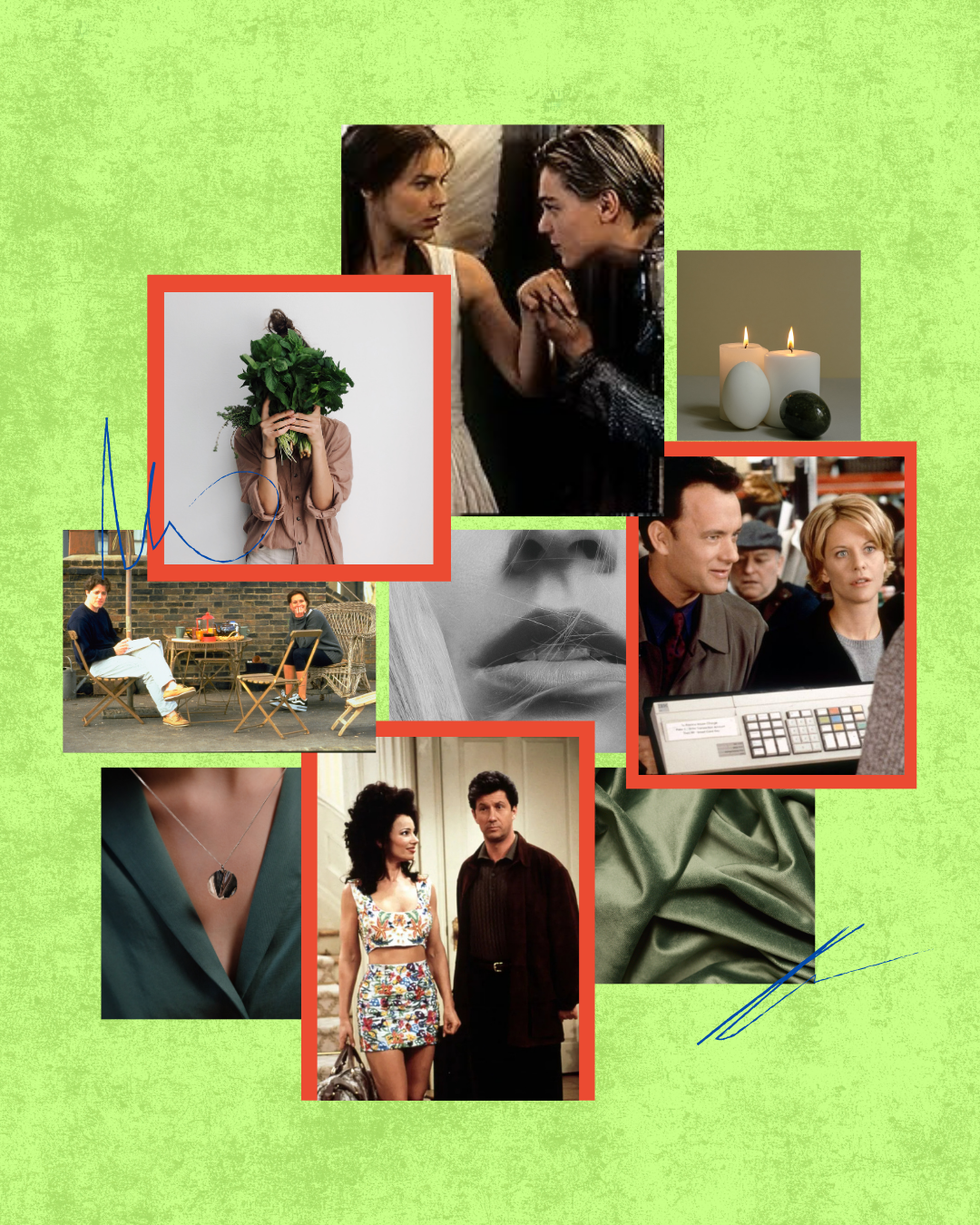
Soft lighting. Linen dresses. Morning coffee rituals. Cozy corners. Carefully curated moments that made life look calmer and more beautiful.
And honestly? There’s a reason we love Pinterest.
Pinterest is inspiring. It gives language and visuals to feelings we already have. It helps us imagine what could be possible.
But inspiration was never meant to be a rulebook.
The problem started when the romanticize your life aesthetic became the full definition instead of a starting point. When beauty became something to replicate instead of something to experience.
We are not meant to live like a perfectly staged photo. We are humans living real, layered lives.
Why the Trend Felt Empty for So Many Women
For a lot of women, the trend started to feel hollow.
Not because romanticizing life was wrong, but because it shifted toward performance instead of presence.
It became about looking like you were living well instead of actually feeling connected. About consuming more instead of connecting deeper. About buying the right things, following the right routines, and chasing someone else’s version of a beautiful life.
And when your real life didn’t match the aesthetic, it was easy to feel like you were doing it wrong.
That emptiness wasn’t a failure on your part. It was a signal that the trend needed depth.
This is where the conversation naturally leads into understanding that romanticizing your life is not escapism, but engagement. If you want to explore that distinction more deeply, this is a perfect moment to read Romanticizing Your Life Is Not Escapism. It’s Emotional Presence.
The Shift to Personal Practice
The shift happened quietly.
Romanticizing your life moved from something you show to something you live.
It became less about external visuals and more about internal experience. Less about accumulating and more about intention.
Many women reached a point of material fatigue. Tired of being told they needed more products, more routines, more stuff to feel fulfilled.
That doesn’t mean you can’t enjoy beautiful things. If a few items genuinely make your life better and help you feel more like yourself, that’s wonderful. But romanticizing your life is not a shopping list.
It’s a relationship with your own life.
What Romanticizing Your Life Looks Like Today
So what does romanticizing your life mean now?
Values Based
Modern romanticizing starts with values.
What matters to you right now? What makes you feel grounded, alive, or at peace? Beauty looks different when it aligns with your values instead of trends.
This is where many women find it helpful to slow down and define what they actually care about. A simple values exercise can completely change how you romanticize your life, because you’re no longer copying someone else’s vision.
Season of Life Aware
Romanticizing your life today means honoring that life changes.
The woman you are now is not the woman you were five years ago. And the woman you will be in five years will be someone new entirely.
What feels romantic, grounding, or meaningful shifts with each season. Some eras are expansive. Others are quiet. Some are about growth. Others are about rest.
Staying aware of the season you are in allows your practices to evolve instead of feeling forced.
Sustainable
True romanticizing is sustainable.
It lives in small moments you can return to again and again. When life feels full, you build gently. When life feels heavy, you simplify.
It is never about doing the most. It is about doing what helps you feel connected to your own beautiful life.
If you’re looking for ways to integrate this without adding more pressure, How to Romanticize Your Life Without Adding More to Your To-Do List is a natural next read.
The Trend Faded. The Practice Stayed.
Trends come and go.
But the desire to feel connected, present, and alive in your own life never leaves.
Romanticizing your life was never meant to stay on a mood board. It was meant to become personal. Flexible. Human.
The aesthetic may have introduced the idea, but the practice is what lasts.
And that’s where the real romance lives.
Suggested Next Reads:
How to Romanticize Your Life Without Adding More to Your To-Do List
Romanticizing Friendship: How to Create Meaningful Moments With Your Girlfriends
Romanticizing Your Life Is Not Escapism. It’s Emotional Presence.
From Pinterest Trend to Personal Practice: The Evolution of Romanticizing Your Life
Why Women Lose Their Sense of Romance—and How to Gently Reclaim It

Romanticizing Your Life Is Not About Being in a Relationship
How to Romanticize Your Life In 6 Steps

You’re Not Selfish for Wanting More Beauty in Your Everyday Life
Romanticizing Your Life When You Don’t Feel Inspired (or Motivated)

A Meet-Cute to You: How to Romanticize Your Everyday Life (Books, Movies, and Little Luxuries)

Single, Married, Somewhere In Between: You Still Deserve a Romantic Life
How Busy Moms Can Romanticize Their Lives Without Guilt
Romanticizing Friendship: How to Create Meaningful Moments With Your Girlfriends
How to Romanticize Your Life Without Adding More to Your To-Do List