Romanticizing your life doesn’t require inspiration; it’s a practice of presence, especially during low-energy or burnout seasons
There’s a quiet misconception around romanticizing your life that says you need to feel inspired first.
That you need energy. A good mood. Motivation. A spark.
But romanticizing your life isn’t a mood.
It’s a muscle.
And muscles are built gently, especially during low-energy seasons.
If you’re tired, burnt out, or feeling emotionally flat, this isn’t a sign that romanticizing your life isn’t for you. It’s often the moment it matters most.
Why Inspiration Is the Wrong Starting Point
Inspiration is unreliable.
It comes and goes based on sleep, stress, hormones, seasons, workload, and emotional capacity. Waiting to feel “on” before you engage with your life keeps romance just out of reach.
Energy Comes in Cycles
There are seasons when energy is abundant and seasons when simply getting through the day takes effort.
Low energy doesn’t mean something is wrong. It means your body and mind are asking for care, not performance.
Romanticizing your life during these seasons looks quieter. Slower. Less visible. And that’s okay.
The Pressure to Feel “On”
We live in a culture that subtly demands constant enthusiasm.
Be motivated. Be positive. Be grateful. Be inspired.
When you don’t feel those things, it’s easy to assume you’re failing at life or at this practice. But romanticizing your life was never meant to be another standard you have to meet.
This is where it helps to remember that romanticizing your life is not escapism, but emotional presence. You don’t need to feel good to be present. You just need to stay.
Romanticizing Life in Low-Energy Seasons
When energy is low, romance doesn’t disappear. It changes shape.
Neutral Moments Matter
In burnout, joy can feel like too much to reach for. That’s where neutral moments come in.
Neutral doesn’t mean empty. It means steady.
Sitting with a warm drink. Folding laundry slowly instead of rushing. Letting fresh air in through a window. Standing in the shower a minute longer than necessary.
These moments don’t demand emotion. They offer grounding.
Romanticizing your life here is about allowing life to be simple and sufficient.
Rest as Romance
Rest is not the absence of romance. It is romance.
Rest says, “I’m listening.”
Rest says, “I don’t need to earn care.”
Rest says, “This moment is allowed to be enough.”
Sometimes romanticizing your life looks like going to bed early. Canceling plans. Choosing quiet over stimulation. Letting your nervous system soften.
That counts.
How Art Can Gently Ease Burnout
When burnout sets in, words and logic often stop working.
This is where art can quietly help.
Art engages a different part of the brain. It creates space without requiring explanation or productivity. It gives your nervous system something gentle to focus on without asking you to perform or improve.
You don’t need to be “artistic” for this to work.
Art here is not about output. It’s about presence.
Simple ways to invite about 15 minutes of art into your day:
Coloring, sketching, or doodling without a goal
Listening to music and letting your mind wander
Rearranging flowers, books, or objects in a way that feels calming
Watching light, shadows, or movement with intention
Writing a few unfiltered lines in a notebook just to get thoughts out
Fifteen minutes is enough. Less is okay too.
These small creative moments help soften burnout because they remind your nervous system that life can still feel gentle, even when energy is low.
The Role of Acceptance in Romanticizing Life
One of the most overlooked parts of romanticizing your life is acceptance.
Not fixing the moment.
Not improving it.
Not turning it into something meaningful.
Just letting it be.
When you accept a moment as it is, you stay connected instead of checking out. You stop fighting your energy level and start meeting yourself where you are.
Acceptance turns ordinary moments into livable ones.
And that is a form of romance.
When Romanticizing Looks Like Doing Less
This part can feel uncomfortable.
Romanticizing your life is often framed as adding beauty, intention, or ritual. But in low-energy seasons, romance can look like subtraction.
Doing less. Expecting less. Releasing the pressure to make life feel special.
Radical permission matters here.
Permission to be tired.
Permission to be uninspired.
Permission to show up quietly.
If you need reassurance that romanticizing your life does not mean adding more to your plate, How to Romanticize Your Life Without Adding More to Your To-Do List is a gentle companion to this idea.
You Don’t Need Sparkle to Be Present
Romanticizing your life does not require inspiration.
It requires honesty.
It requires gentleness.
It requires staying with yourself instead of waiting to feel different.
Some seasons are bright. Others are muted. Both are real life.
You don’t need sparkle to be present.
You don’t need motivation to stay.
Sometimes, the most romantic thing you can do is allow the moment you’re in to be enough.
Key Takeaways
Romanticizing your life doesn’t require inspiration; it’s a practice of presence, especially during low-energy or burnout seasons.
In tired seasons, romance often looks like rest, acceptance, neutral moments, and gentle creativity rather than joy or productivity.
Doing less, releasing pressure, and allowing small moments to be enough helps you stay connected to your life without adding more to your to-do list.
Suggested Next Reads:
Single, Married, Somewhere In Between: You Still Deserve a Romantic Life

Romanticizing Your Life Is Not Escapism. It’s Emotional Presence.

From Pinterest Trend to Personal Practice: The Evolution of Romanticizing Your Life

Why Women Lose Their Sense of Romance—and How to Gently Reclaim It

Romanticizing Your Life Is Not About Being in a Relationship

How to Romanticize Your Life In 6 Steps

You’re Not Selfish for Wanting More Beauty in Your Everyday Life
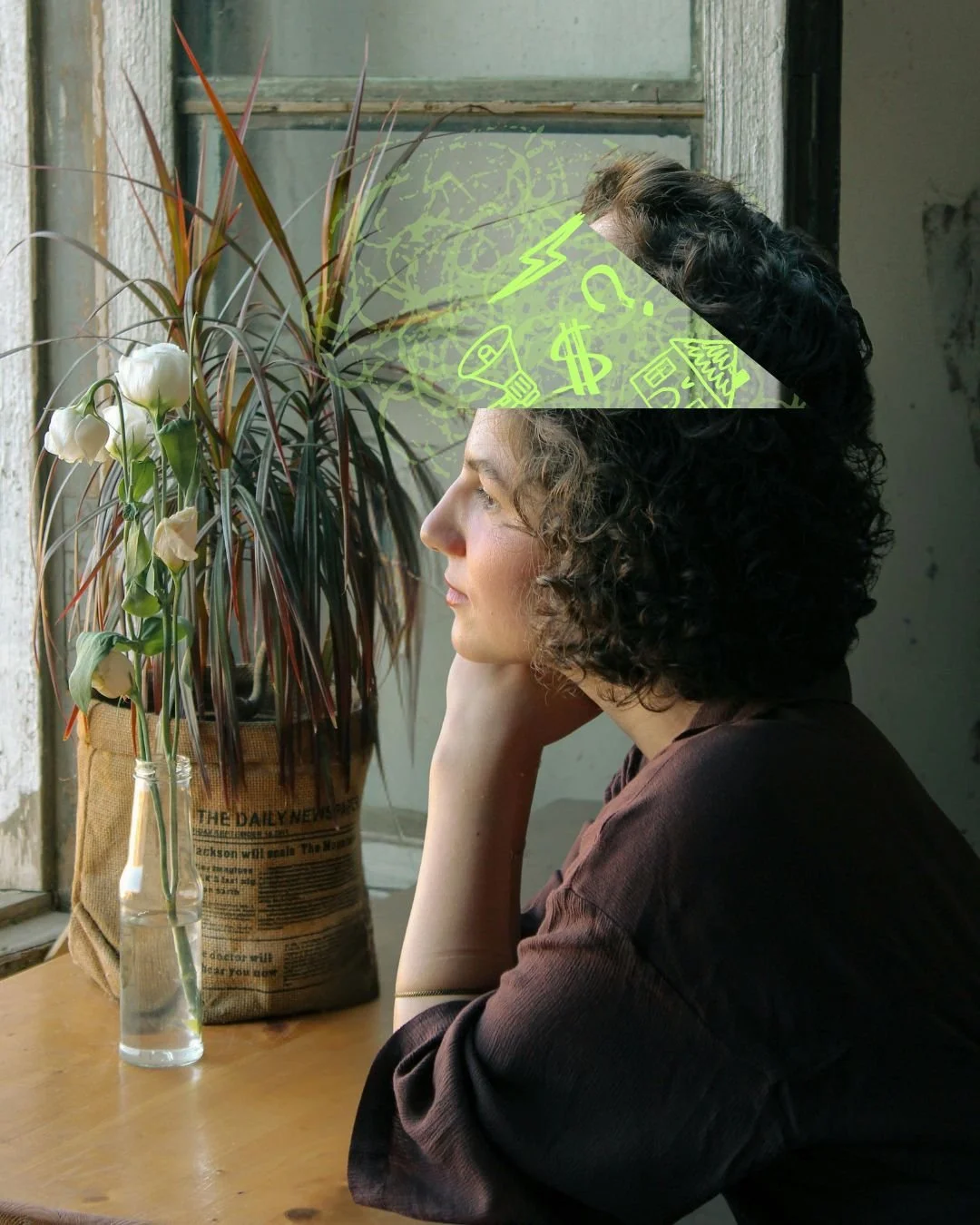
Romanticizing Your Life When You Don’t Feel Inspired (or Motivated)

A Meet-Cute to You: How to Romanticize Your Everyday Life (Books, Movies, and Little Luxuries)

Single, Married, Somewhere In Between: You Still Deserve a Romantic Life

How Busy Moms Can Romanticize Their Lives Without Guilt

Romanticizing Friendship: How to Create Meaningful Moments With Your Girlfriends

How to Romanticize Your Life Without Adding More to Your To-Do List