From Ross & Rachel to Modern Love: Why On-Again, Off-Again Romance Still Hooks Us
Few romance tropes divide audiences quite like the on-again, off-again couple.
We roll our eyes.
We yell at the screen.
We swear we’re done rooting for them.
And yet—we keep watching.
From Friends’ iconic Ross and Rachel to modern TV romances built on emotional push and pull, complicated love stories still hold a powerful grip on us. But why?
The answer isn’t chaos.
It’s psychology.
Why Audiences Love Complicated Love
Simple, stable love doesn’t always make for compelling television. Complicated love does.
On-again, off-again romances thrive on:
Uncertainty
Emotional stakes
“Almost” moments
Missed timing
These relationships mirror emotional experiences many people recognize—wanting someone deeply while not being able to make it work yet.
They keep us hooked because they promise resolution, even when it’s delayed.
Emotional Tension vs. Emotional Safety
One of the biggest reasons these romances feel addictive is that they prioritize emotional tension over emotional safety.
Tension looks like:
Will they or won’t they?
Miscommunication
Longing across crowded rooms
Safety looks like:
Consistency
Clear communication
Mutual trust
Classic TV romances often chose tension because it keeps viewers engaged. But tension and safety don’t always coexist—and that’s where the emotional conflict begins.
Nostalgia, Hope, and Unresolved Longing
Ross and Rachel didn’t just represent a couple. They represented hope.
Hope that:
Timing would finally align
Feelings wouldn’t fade
Love would win in the end
Unresolved longing is emotionally powerful. It mirrors moments in real life where feelings linger without closure—and our brains crave completion.
That’s why we keep coming back.
What On-Again/Off-Again Relationships Symbolize
These relationships often symbolize:
Fear of commitment vs fear of loss
Personal growth happening at different speeds
Emotional immaturity colliding with real connection
They aren’t just about love—they’re about timing.
And timing is one of the hardest things to get right in both fiction and real life.
Red Flags vs. Green Flags in Pop Culture Couples
Looking back, many iconic couples reveal a mix of both.
Red flags often included:
Poor communication
Jealousy framed as passion
Emotional inconsistency
Green flags we sometimes overlook:
Genuine affection
Shared history
Deep emotional investment
The problem wasn’t always the love—it was the lack of emotional tools to sustain it.
Why Modern Audiences Crave Growth Arcs
Today’s viewers are more emotionally literate than ever.
We want to see:
Therapy language reflected on screen
Characters taking accountability
Growth before reconciliation
Modern romance stories still include tension—but they now pair it with self-awareness. The conflict isn’t just external anymore. It’s internal.
And that makes the payoff feel earned.
The Shift Toward Emotionally Healthy Romance
We’re seeing a clear shift in TV and film:
Less chaos for chaos’s sake
More conversations, boundaries, and healing
Love as a partnership, not a prize
On-again, off-again dynamics haven’t disappeared—but they’re being reframed. Growth matters now. So does emotional safety.
Love isn’t just about chemistry.
It’s about capacity.
Drama Isn’t the Same as Depth
On-again, off-again romances hook us because they feel intense—but intensity isn’t the same as intimacy.
Depth comes from:
Emotional consistency
Mutual growth
Choosing each other with clarity
Ross and Rachel made us feel everything—and that mattered. But modern love stories remind us that the most romantic ending isn’t the loudest one.
It’s the healthiest one.
Romanticizing Your Life Is Not Escapism. It’s Emotional Presence.
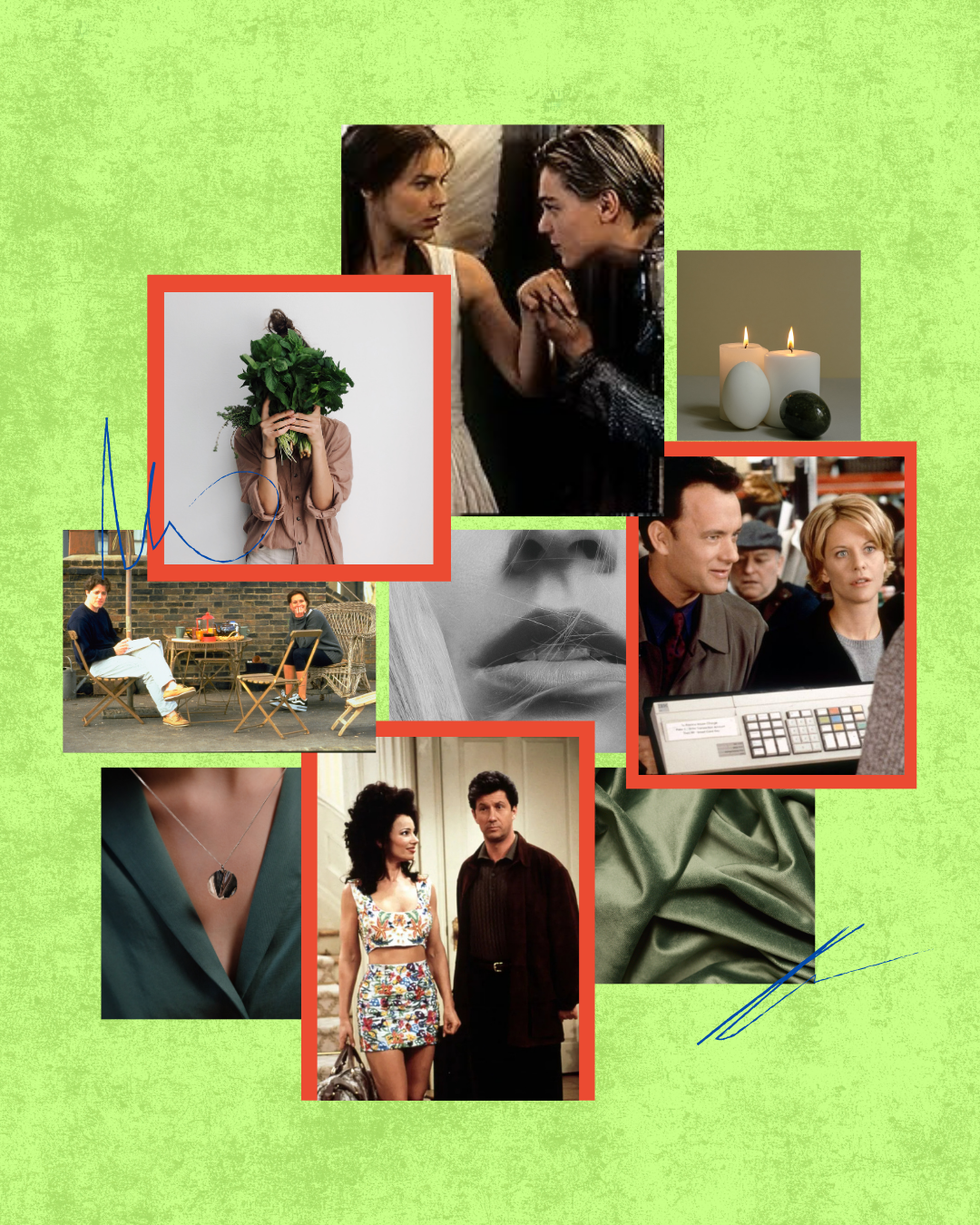
From Pinterest Trend to Personal Practice: The Evolution of Romanticizing Your Life

Why Women Lose Their Sense of Romance—and How to Gently Reclaim It

Romanticizing Your Life Is Not About Being in a Relationship

How to Romanticize Your Life In 6 Steps

You’re Not Selfish for Wanting More Beauty in Your Everyday Life
Romanticizing Your Life When You Don’t Feel Inspired (or Motivated)

A Meet-Cute to You: How to Romanticize Your Everyday Life (Books, Movies, and Little Luxuries)

Single, Married, Somewhere In Between: You Still Deserve a Romantic Life

How Busy Moms Can Romanticize Their Lives Without Guilt
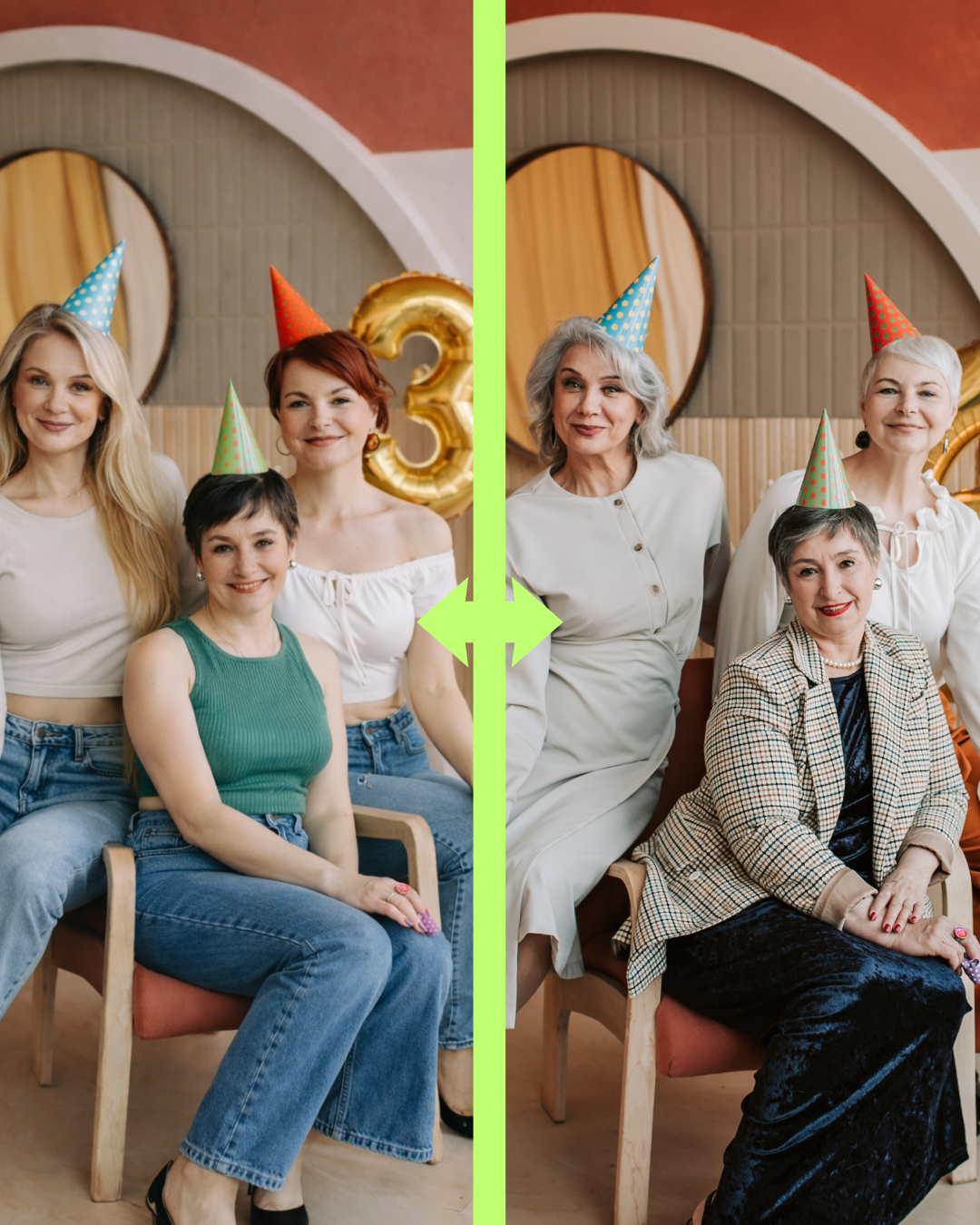
Romanticizing Friendship: How to Create Meaningful Moments With Your Girlfriends
How to Romanticize Your Life Without Adding More to Your To-Do List