How Romance Readers Shape the Publishing Industry
In This Article
Why romance readers hold outsized influence in publishing
How reader loyalty—not trends—drives market decisions
The role of community in discovery, sales, and long-term success
Why publishers follow romance readers instead of leading them
Romance readers don’t just enjoy books.
They shape the publishing industry itself.
Behind bestseller lists, viral BookTok moments, sold-out author events, and the rise of indie publishing is a truth the industry understands well: romance readers lead markets through loyalty, community, and sustained buying power.
Not quietly.
Not accidentally.
Intentionally.
This isn’t about trends.
It’s about influence.
Romance Is the Industry’s Steadiest Engine
Romance has remained the highest-selling genre in publishing for decades.
While other genres rise and fall with cultural cycles, romance delivers consistency. Year after year, it accounts for a significant share of fiction sales and generates billions globally. Even during economic downturns, romance readership remains resilient.
That stability matters.
Publishers don’t just rely on romance for breakout hits. They rely on it to keep bookstores stocked, subscription platforms profitable, and publishing calendars viable.
Romance isn’t a side category.
It’s structural.
Reader Loyalty Is the Real Market Power
Romance readers don’t read casually.
They read in volume.
They follow series, buy backlists, preorder upcoming releases, and stay loyal to authors across years and career shifts. Historically, this meant multiple paperbacks each month. Today, it shows up through ebook subscriptions, audiobook binges, collector editions, and long-term digital loyalty.
A single devoted romance reader can sustain an author’s career.
Publishers understand this deeply. It’s why romance lists are built around long-term relationships, not one-off success.
Romance Has Always Been Community-Driven
Long before algorithms, romance thrived on trust.
Readers shared paperbacks at work, swapped recommendations between friends, joined library book clubs, and quietly guided each other toward the stories that would resonate most. Discovery didn’t come from critics—it came from community.
That foundation never changed.
What changed is visibility.
From Book Clubs to Social Media—and Public Events
Romance discovery has always been social.
In earlier decades, book clubs existed mostly in private spaces—living rooms, libraries, checkout lines. Powerful, but unseen.
Today, that same energy is fully public.
Social platforms function like massive, ongoing romance book clubs where tropes act as shared language and emotional reaction matters more than formal review. Readers guide one another toward exactly what they want.
This visibility now extends offline.
Romance author tours are widely publicized directly to romance readers, often featuring multiple fan-favorite authors touring together. Romance bookstores host standing book clubs, packed signings, panels, and ticketed events built specifically for romance fans.
These aren’t niche side events.
They’re marketed experiences—and they reliably convert community into sales.
Readers don’t just attend.
They preorder.
They buy stacks of books on site.
They bring friends.
They share the experience online, extending reach long after the event ends.
Publishers notice.
Indie Authors and Reader-Led Careers
Romance readers have also reshaped publishing by championing indie authors.
Because romance thrives digitally, readers often discover authors early, buy consistently across releases, and recommend enthusiastically long before traditional publishers get involved.
Many bestselling romance authors built their audiences reader-first.
Publishers followed.
This reader-led ecosystem has permanently changed how talent is discovered, marketed, and sustained.
Why Publishers Follow Romance Readers
Publishing is a business—and romance readers are dependable.
Publishers track what readers finish, not just what they sample. They pay attention to which tropes inspire loyalty, which authors inspire repeat buying, and where community conversations are happening.
When romance readers show up—online, in bookstores, and at events—publishers respond with larger print runs, bigger marketing budgets, and long-term investment.
Those public moments of enthusiasm aren’t just cultural.
They’re measurable.
Readers lead.
The industry reacts.
Influence Beyond the Page
Romance readers don’t stop at books.
Their enthusiasm fuels film and television adaptations, shapes pop-culture conversations around love, consent, and emotional health, and increases visibility for diverse love stories.
What begins as reader excitement often becomes a mainstream cultural moment.
Romance readers don’t just consume stories.
They move culture.
Three Takeaways
1. Romance readers are the most consistent economic force in publishing.
Their loyalty sustains authors, bookstores, platforms, and innovation.
2. Community—not critics—drives romance discovery and sales.
Trust and shared emotional language matter more than prestige.
3. The industry follows romance readers because they convert passion into action.
Preorders, events, recommendations, and long-term support shape the market.
Final Thought
Romance has never needed permission to thrive.
It thrives because readers read deeply, show up publicly, support authors long-term, and build communities that translate love of story into real economic power.
Romance readers don’t ask for influence.
They exercise it—every time they buy, recommend, attend, and celebrate the stories they love.
And the publishing industry knows it.
Romanticizing Your Life Is Not Escapism. It’s Emotional Presence.
From Pinterest Trend to Personal Practice: The Evolution of Romanticizing Your Life

Why Women Lose Their Sense of Romance—and How to Gently Reclaim It

Romanticizing Your Life Is Not About Being in a Relationship
How to Romanticize Your Life In 6 Steps

You’re Not Selfish for Wanting More Beauty in Your Everyday Life

Romanticizing Your Life When You Don’t Feel Inspired (or Motivated)

A Meet-Cute to You: How to Romanticize Your Everyday Life (Books, Movies, and Little Luxuries)

Single, Married, Somewhere In Between: You Still Deserve a Romantic Life

How Busy Moms Can Romanticize Their Lives Without Guilt
Romanticizing Friendship: How to Create Meaningful Moments With Your Girlfriends
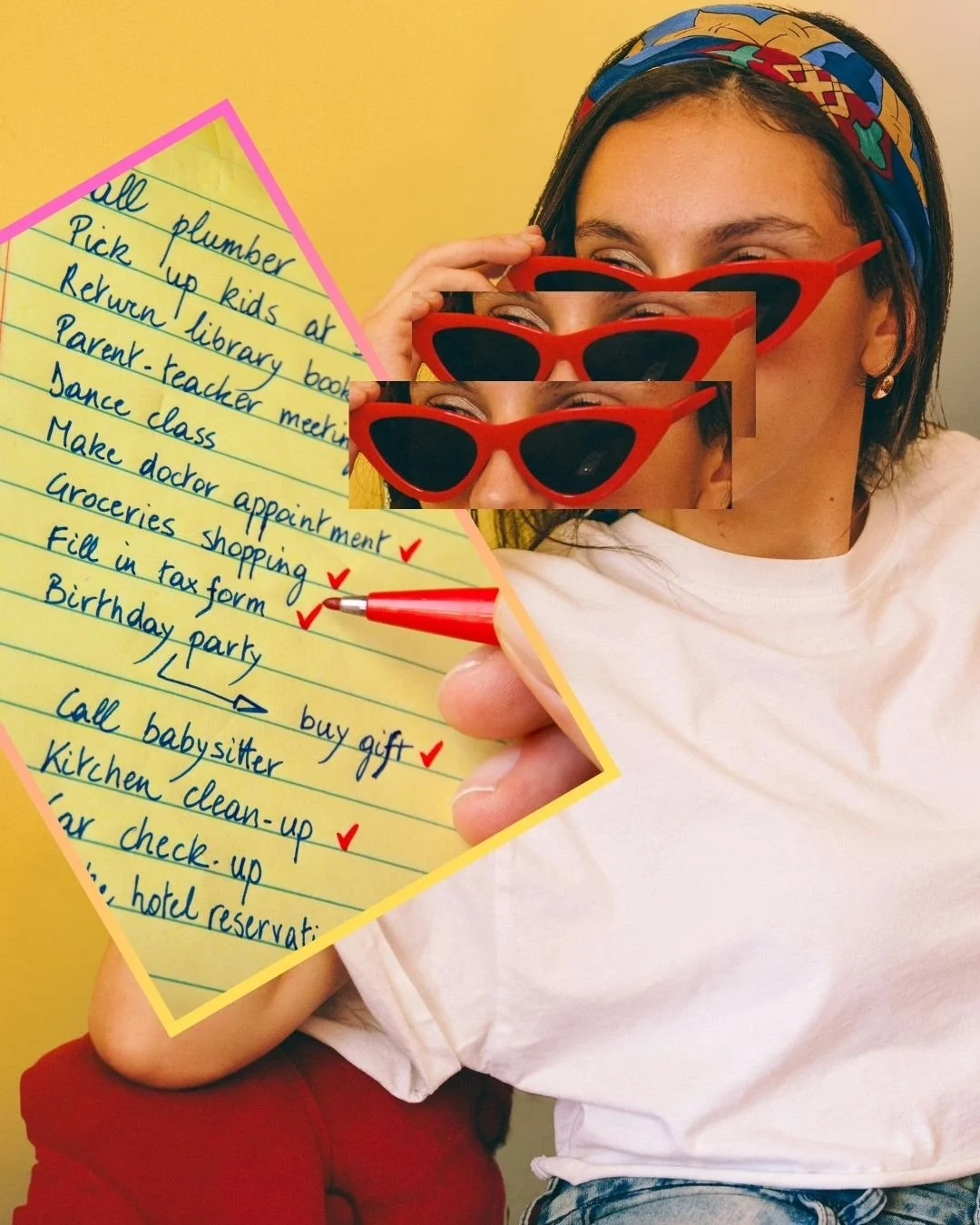
How to Romanticize Your Life Without Adding More to Your To-Do List