Romance Didn’t Just Become the Best-Selling Genre—It Changed Publishing Forever
In This Article
Why romance dominates publishing while still being dismissed
How the genre emerged by centering women’s inner lives
The role women readers played in building a publishing powerhouse
Why romance novels reshaped both storytelling and the industry itself
Romance is the best-selling genre in publishing history.
And yet, it’s still treated like a secret indulgence—something people love quietly, defend awkwardly, or dismiss outright.
That contradiction isn’t accidental. It’s cultural.
When you look closely at the history of romance novels, it becomes clear that the genre’s power has always made people uncomfortable—especially those who didn’t take women’s inner lives seriously.
Romance novels didn’t just succeed.
They changed publishing forever.
The Best-Selling Genre That’s Still Misunderstood
Romance consistently outsells every other genre—thrillers, fantasy, science fiction, literary fiction. It dominates bestseller lists, subscription platforms, and digital publishing ecosystems.
Yet it’s often flattened into stereotypes: formulaic, escapist, unserious.
Genres don’t become global powerhouses by accident.
Romance succeeded because it delivered something readers weren’t getting elsewhere—stories that centered emotional payoff, agency, and women’s desires without apology.
That wasn’t trivial.
It was revolutionary.
Before Romance Was a Genre, Love Stories Still Existed
Love stories existed long before “romance novels” did.
Epic poems, folklore, and early novels often revolved around love as motivation, tragedy, or transformation. But these stories were usually filtered through moral lessons, social obligation, or male perspectives.
Love existed—but women’s pleasure, choice, and emotional fulfillment rarely took center stage.
Romance as a genre emerged when stories began asking a different question:
What happens when a woman’s emotional life matters?
Accessibility Changed Everything
The real turning point came with mass-market paperbacks.
Affordable, portable romance novels became available in grocery stores, drugstores, and airports. For the first time, women could buy books for themselves, read privately, and choose stories based on emotional resonance rather than literary approval.
Romance didn’t need institutional validation.
It found its readers—and built an industry around them.
Women Readers Built the Romance Boom
Publishing didn’t create the romance phenomenon.
Women did.
Romance thrived because women showed up consistently, passionately, and collectively. They bought books in volume, shared recommendations, followed authors across series, and built loyal readerships long before “community building” became a buzzword.
The genre succeeded because it respected its audience’s intelligence, emotional range, and appetite for connection.
That relationship between reader and writer became the foundation of an entire industry.
Romance as Emotional Education
One of the genre’s most overlooked contributions is emotional literacy.
Romance novels didn’t just tell love stories—they modeled emotional skills. They gave readers language for desire, conflict, consent, repair, and mutual respect.
For many women, romance novels were the first place they saw relationships built on communication and accountability rather than dominance or emotional neglect.
That influence isn’t frivolous.
It’s formative.
The Economic Power No One Could Ignore
Romance readers didn’t just consume stories—they sustained innovation.
The genre became an early adopter of e-books, self-publishing, and direct-to-reader marketing. While traditional publishing hesitated, romance authors and readers adapted quickly—building systems that the rest of the industry later followed.
Subscription platforms, indie publishing success, digital marketing trends—many of these were shaped by romance long before they were mainstream.
The genre wasn’t just popular.
It was ahead.
Why Romance Has Been Dismissed Despite Its Impact
The dismissal of romance has less to do with quality and more to do with who it centers.
Historically, anything tied to women’s pleasure, desire, or emotional life has been devalued. Joy and hope were framed as unserious. Emotional resolution was treated as weakness rather than craft.
Romance challenged the idea that stories had to be bleak or detached to be meaningful.
And that made people uncomfortable.
The Genre Didn’t Stay Still
Modern romance has expanded—without losing its core.
Today’s stories include broader identities, deeper conversations about self-choice, and love framed as partnership rather than salvation. Emotional growth often matters as much as the romance itself.
The genre evolved because its readers evolved.
Romance didn’t cling to outdated narratives.
It grew alongside the women who loved it.
Romance’s Influence Beyond Books
Romance novels don’t exist in isolation.
They influence film and television storytelling, shape cultural conversations about consent and connection, and inform how women’s stories are told across media. Many emotional arcs now considered mainstream were refined in romance fiction long before they were labeled “prestige.”
The genre has always been a testing ground for emotional honesty.
Three Takeaways
1. Romance became powerful because it centered women’s emotional lives.
It insisted that desire, pleasure, and connection were worthy of story and attention.
2. Women readers didn’t just support the genre—they built an industry.
Their loyalty, purchasing power, and community shaped modern publishing.
3. Romance isn’t escapist—it’s emotionally instructive.
The genre teaches language, agency, and relational awareness that readers carry into real life.
Final Thought
Romance novels didn’t change publishing because they were light.
They changed it because they were honest.
They honored women’s inner lives.
They valued emotional depth.
They treated love as mutual, chosen, and transformative.
The history of romance novels is the history of women claiming space—for their feelings, their pleasure, and their stories.
And that’s why the genre still matters.
Romanticizing Your Life Is Not Escapism. It’s Emotional Presence.
From Pinterest Trend to Personal Practice: The Evolution of Romanticizing Your Life
Why Women Lose Their Sense of Romance—and How to Gently Reclaim It

Romanticizing Your Life Is Not About Being in a Relationship

How to Romanticize Your Life In 6 Steps

You’re Not Selfish for Wanting More Beauty in Your Everyday Life

Romanticizing Your Life When You Don’t Feel Inspired (or Motivated)

A Meet-Cute to You: How to Romanticize Your Everyday Life (Books, Movies, and Little Luxuries)

Single, Married, Somewhere In Between: You Still Deserve a Romantic Life

How Busy Moms Can Romanticize Their Lives Without Guilt
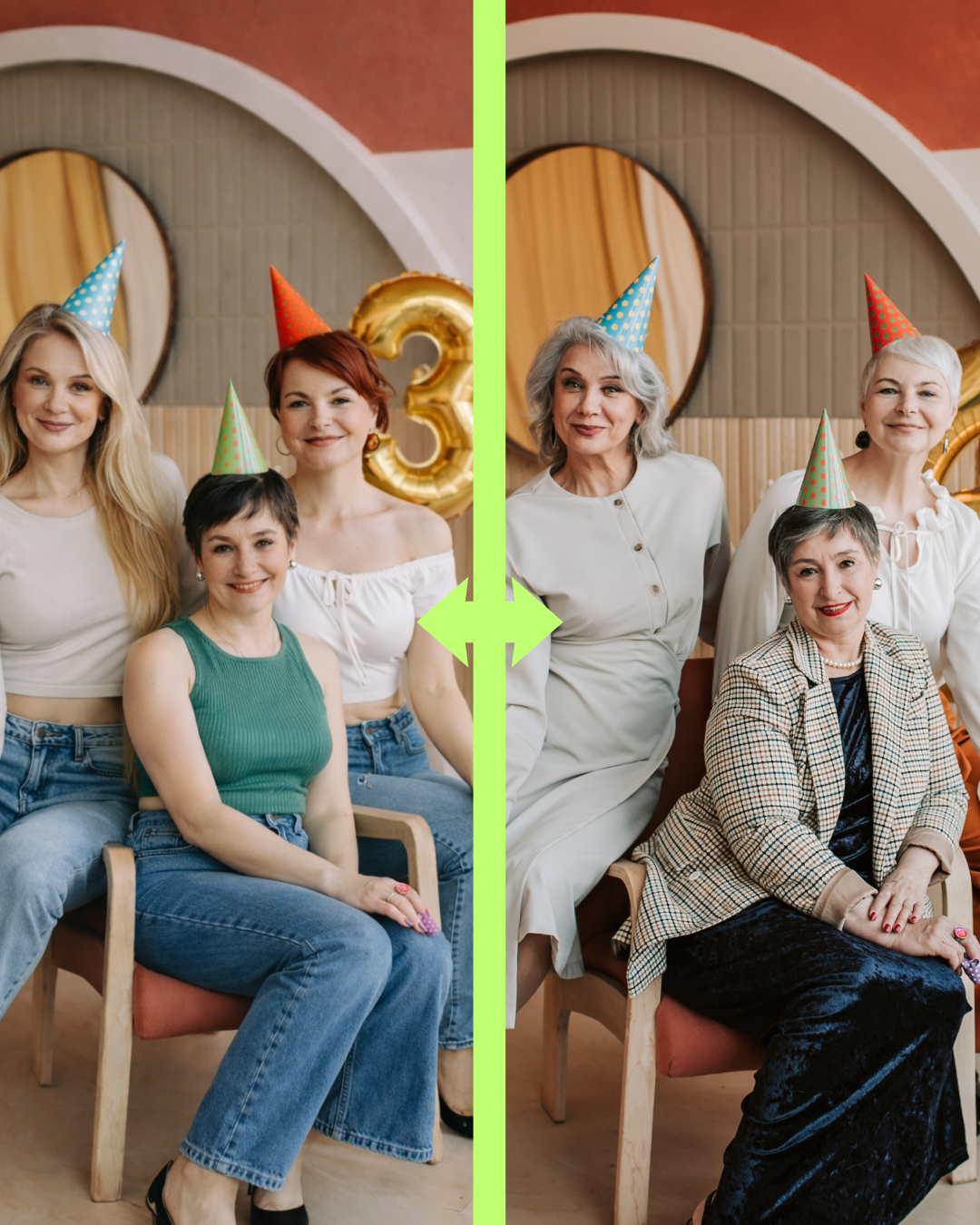
Romanticizing Friendship: How to Create Meaningful Moments With Your Girlfriends

How to Romanticize Your Life Without Adding More to Your To-Do List