The History of Romanticizing Everyday Life—Long Before Instagram Made It a Trend
In This Article
The forgotten history behind “romanticizing your life”
How ordinary rituals became a form of resistance
Why attention—not perfection—has always been the point
What modern culture gets wrong about the soft life
How to practice everyday romance in a way that actually feels livable
Scroll through social media long enough and you might believe romanticizing your life was born somewhere between a linen dress, a perfectly poured latte, and a caption about slowing down.
But the truth is far richer—and far older.
Long before Instagram aesthetics, vision boards, or curated morning routines, people were already searching for meaning inside ordinary days. They were learning how to live with intention, how to soften the sharp edges of daily life, and how to find romance not in fantasy—but in attention.
What we’re witnessing now isn’t a trend being invented.
It’s a practice being remembered.
Romance Was Never About Escape
At its core, romanticizing everyday life has never been about pretending life is perfect. It has always been about making life feel felt.
Across history, people have pushed back against purely functional living—against lives reduced to labor, output, and obligation. They searched for ways to feel present inside their days, not just productive within them. Romance, in its truest sense, wasn’t about grand gestures or dramatic love stories. It was about emotional awareness. About noticing. About allowing ordinary moments to carry weight.
To romanticize life meant refusing to let it become invisible.
When Slowness Became a Form of Resistance
There have been moments throughout history when speed, industry, and efficiency threatened to strip life of its texture. In response, artists, writers, and thinkers turned their attention inward and outward at the same time—toward nature, emotion, imagination, and the inner life.
These movements weren’t frivolous. They were deeply human reactions to a world that felt mechanical and rushed. Slowing down became a way to reclaim meaning. Paying attention became an act of defiance. Beauty wasn’t indulgent—it was necessary.
That tension feels familiar now.
In a world optimized for productivity and performance, the desire to romanticize everyday life isn’t shallow. It’s instinctive.
The Romance of the Domestic
For much of history, romance didn’t live in extraordinary experiences. It lived at home.
Daily rituals—lighting a candle at dusk, preparing a meal, tending a space, marking time through seasons rather than schedules—were ways people anchored themselves emotionally. These weren’t aesthetic choices. They were grounding practices. Ways to create rhythm and comfort within the constraints of ordinary life.
Romance wasn’t something you escaped to.
It was something you cultivated where you were.
The home wasn’t just functional—it was emotional terrain.
Women as Keepers of Everyday Meaning
Throughout history, women have been the quiet architects of this kind of romance.
Even when their worlds were limited by social rules and lack of autonomy, women found ways to create beauty inside repetition. They infused care into routines, meaning into the mundane, and memory into ordinary moments. Letters, recipes, pressed flowers, journals, traditions passed down through generations—these were not trivial keepsakes. They were acts of preservation.
Romanticizing everyday life was never about luxury.
It was about paying attention.
About choosing to see value where society often didn’t.
Why This Resonates So Strongly Now
Modern life is loud. It’s fast. And it rarely pauses.
We live inside constant stimulation—notifications, metrics, expectations, and the unspoken pressure to always be improving. Productivity is praised. Rest is justified only if it’s “earned.” Burnout is often reframed as ambition.
In that context, romanticizing everyday life has reemerged not as escapism, but as an antidote.
It’s a way of saying: My life is happening now, not after I achieve more.
It’s a refusal to postpone meaning.
What Romanticizing Life Is—and Isn’t
There’s a misconception that romanticizing life means avoiding reality or living in curated perfection. That it requires softness without responsibility, beauty without effort, or comfort without challenge.
In truth, romanticizing everyday life is about presence, not performance.
It doesn’t deny hardship.
It doesn’t eliminate ambition.
It doesn’t require privilege to practice.
It simply asks a quieter question:
Can I notice what’s here, even while working toward more?
Romanticizing Life, Practiced Today
This isn’t about recreating another era or chasing an aesthetic. It’s about borrowing wisdom that has always been available.
Romanticizing everyday life today might look like letting yourself drink your coffee without distraction. Noticing how light moves through a room. Turning routine tasks into small rituals. Choosing intention over urgency. Allowing quiet moments to matter.
You don’t need a new life.
You need a new lens.
This is where romanticizing life becomes livable—less about appearance, more about meaning.
Romance Has Always Been a Way of Seeing
History shows us that romance has never belonged to perfection. It has always lived in slowness, in sensory awareness, in care, and in presence.
Long before social media gave language to the idea, people understood something essential:
Romance isn’t something you wait for.
It’s something you practice.
And the most enduring romance story isn’t the one you dream about someday—it’s the one unfolding quietly in your ordinary life, when you finally slow down enough to see it.
Three Things History Teaches Us About Romanticizing Everyday Life
1. Romanticizing life has always been about attention, not aesthetics.
Long before curated feeds and visual trends, people practiced romance by noticing—light, ritual, rhythm, emotion. The beauty was never the point. Presence was.
2. Slowing down has always been a quiet form of resistance.
In moments when life became mechanical or overwhelming, people returned to care, nature, and inner life. Choosing slowness wasn’t indulgent—it was survival.
3. Romance isn’t something you wait for—it’s something you practice.
History reminds us that meaning doesn’t arrive with milestones. It’s created in ordinary moments, when we decide our lives are worth noticing as they unfold.
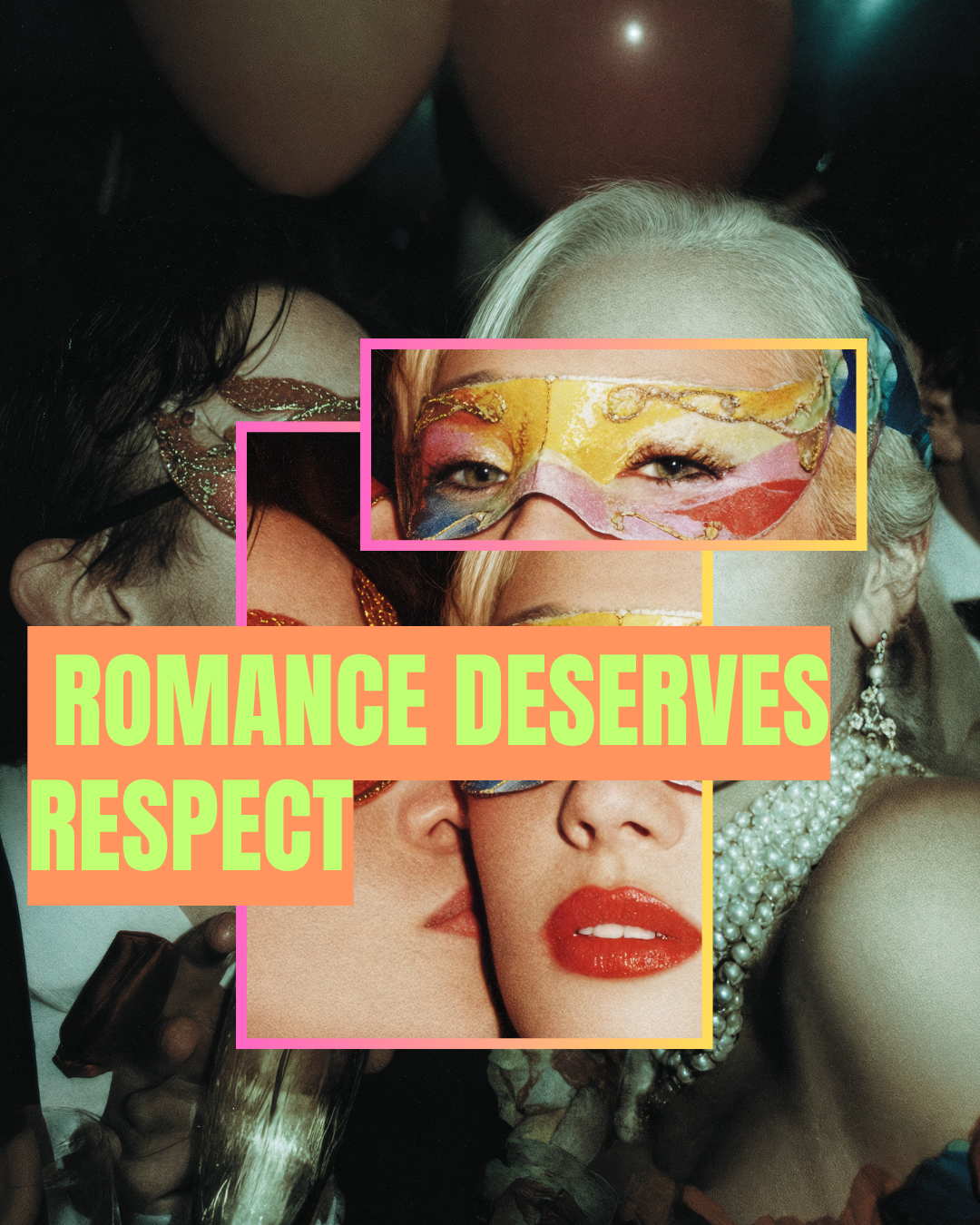
Romanticizing Your Life Is Not Escapism. It’s Emotional Presence.
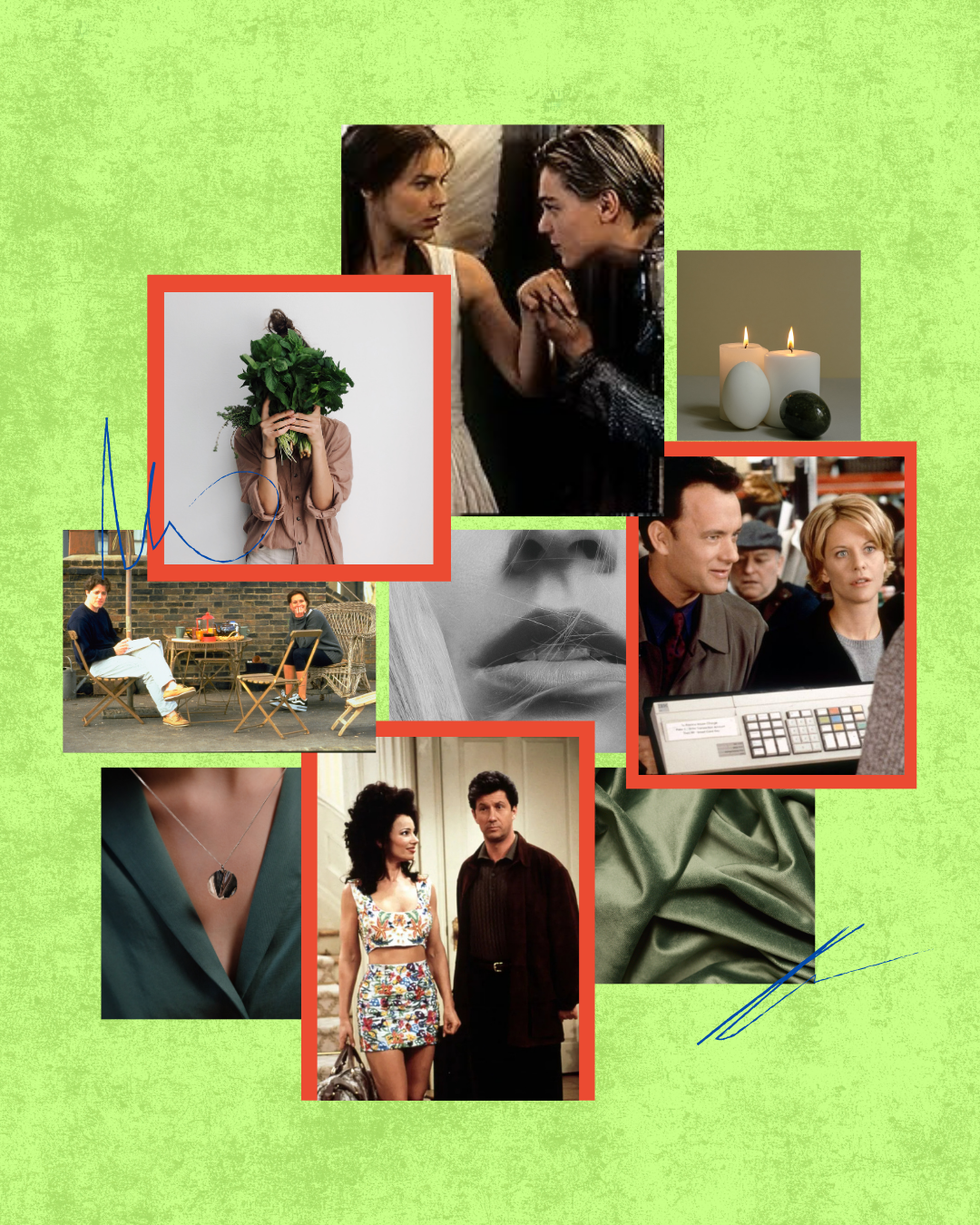
From Pinterest Trend to Personal Practice: The Evolution of Romanticizing Your Life

Why Women Lose Their Sense of Romance—and How to Gently Reclaim It

Romanticizing Your Life Is Not About Being in a Relationship

How to Romanticize Your Life In 6 Steps

You’re Not Selfish for Wanting More Beauty in Your Everyday Life
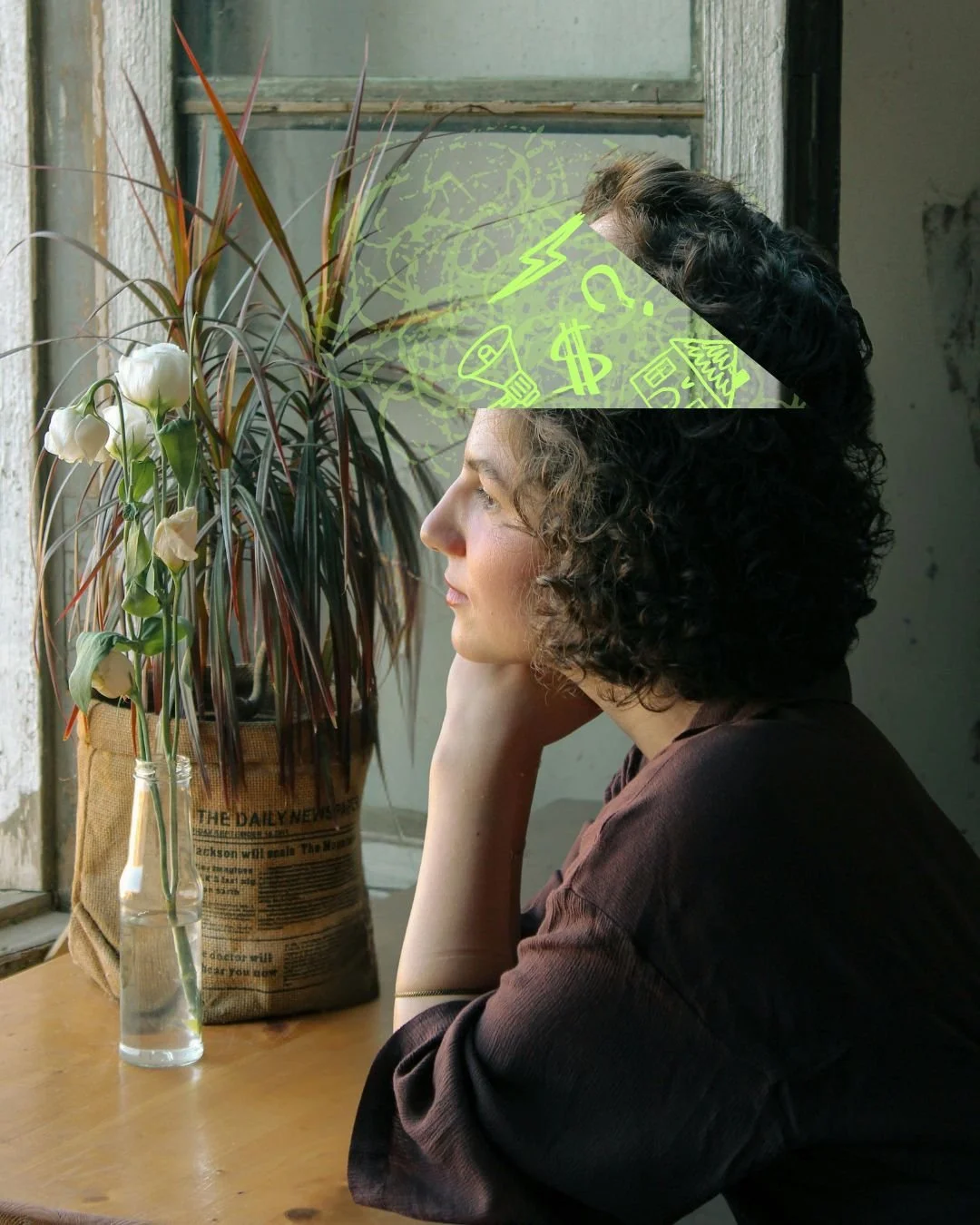
Romanticizing Your Life When You Don’t Feel Inspired (or Motivated)

A Meet-Cute to You: How to Romanticize Your Everyday Life (Books, Movies, and Little Luxuries)

Single, Married, Somewhere In Between: You Still Deserve a Romantic Life

How Busy Moms Can Romanticize Their Lives Without Guilt
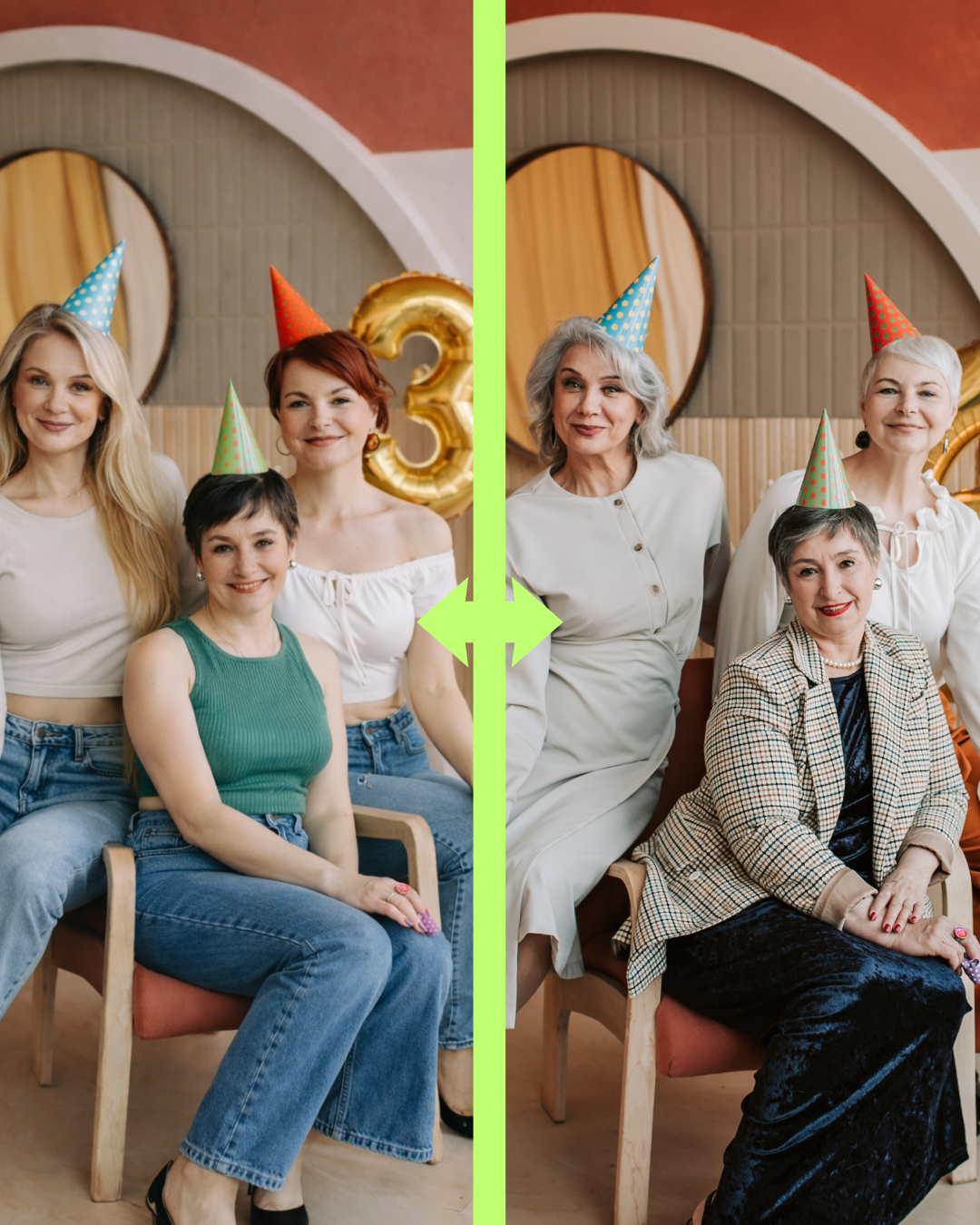
Romanticizing Friendship: How to Create Meaningful Moments With Your Girlfriends

How to Romanticize Your Life Without Adding More to Your To-Do List