The Rise of Women Choosing Themselves in Movies, Books, and Real Life
In This Article
How choosing yourself became the emotional center of modern love stories
Why romance stopped being the “reward” at the end of endurance
What this shift reveals about modern womanhood and relationships
How self-choice reshaped romance on screen, on the page, and in real life
Something has quietly—and powerfully—shifted in our favorite love stories.
The woman doesn’t always end up with the guy anymore.
She doesn’t always compromise her dreams.
She doesn’t always wait to be chosen.
And instead of feeling disappointed by that ending, many of us feel relieved. Seen. Validated.
Choosing yourself is no longer a plot twist.
It’s the point.
When Romance Stopped Being the Reward
For decades, love stories taught us that romance was the prize at the end of endurance. If the heroine waited long enough, loved deeply enough, or sacrificed enough of herself, she would be rewarded with love.
Romance was positioned as proof that everything worked out.
Modern stories quietly ask a different question: What if love isn’t the reward—but the responsibility?
Today’s heroines don’t accept romance simply because it appears. Love has to align with who they are becoming. It has to fit the life they’re building, not derail it.
That shift alone changes everything.
The Cultural Shift Toward Self-Fulfillment
This evolution in storytelling mirrors real life.
Women today are more financially independent, emotionally self-aware, and willing to question the narratives they inherited. There’s less pressure to couple up at any cost and more permission to ask, Is this actually good for me?
Self-fulfillment is no longer treated as selfish or secondary. It’s foundational. Love isn’t expected to complete a woman’s life anymore—it’s expected to complement it.
And audiences feel that difference immediately.
Choosing Yourself Isn’t Giving Up on Love
One of the biggest misconceptions about this shift is that choosing yourself means opting out of romance altogether.
It doesn’t.
Choosing yourself means refusing relationships that require you to shrink, settle, or silence your needs. It means recognizing when hope has turned into self-abandonment. It means walking away from “almost” situations instead of romanticizing potential.
This isn’t anti-love.
It’s anti-settling.
Why These Stories Hit So Deeply
These narratives resonate because they reflect lived experiences many women recognize—loving deeply but losing themselves, staying too long because leaving felt like failure, confusing emotional intensity with intimacy.
When a woman chooses herself on screen or on the page, it feels like collective permission. A reminder that choosing yourself doesn’t erase love.
It redefines it.
What Choosing Yourself Looks Like in Stories We Love
We see this shift clearly in some of the most talked-about stories of the last decade.
In La La Land, the ending unsettles us precisely because the love is real—and still not enough to override personal growth and timing. The story doesn’t diminish romance; it reframes it. Choosing yourself isn’t portrayed as bitterness or failure, but as honesty.
Modern romance novels echo this evolution. In Beach Read, love doesn’t arrive as a rescue from grief or confusion. It comes after healing, reflection, and self-understanding. Romance joins the heroine’s life—it doesn’t replace it.
Television reflects the same pattern. In Emily in Paris, romantic possibilities abound, but the narrative consistently centers growth, ambition, and self-discovery. Love interests shift, but identity remains the throughline.
These stories resonate because they reflect a modern emotional truth: love still matters deeply, but it no longer gets to exist at the expense of a woman’s peace or personhood.
What This Reflects About Modern Womanhood
Modern womanhood isn’t defined by relationship status.
It’s defined by self-trust.
Women today are more interested in emotional safety than dramatic highs. More drawn to compatibility than chemistry alone. More willing to be alone than poorly partnered.
The fantasy has shifted. It’s no longer about being chosen at any cost.
It’s about choosing well.
Romance After Self-Choice—Not Instead of It
Choosing yourself doesn’t end romance. It makes room for better versions of it.
Love that comes after self-choice feels calmer and more mutual. There’s less proving and more presence. Instead of asking, Will this person choose me? the question becomes, Do we choose each other—honestly and freely?
That isn’t less romantic.
It’s more sustainable.
How This Is Showing Up in Real Life
This narrative shift isn’t staying on the screen.
Women are dating more intentionally. Ending cycles sooner. Naming needs more clearly. Viewing relationships as partnerships rather than rescue missions. Breakups aren’t always framed as failures anymore—sometimes they’re framed as growth, clarity, and choosing peace over persistence.
That reframing matters.
Self-Choice Creates Better Love Stories
The rise of women choosing themselves isn’t the end of romance.
It’s its evolution.
When women choose themselves, love becomes something shared rather than sacrificed for. Relationships become aligned instead of endured. Stories become richer, not emptier.
Three Takeaways
1. Choosing yourself isn’t a rejection of love—it’s a requirement for healthy love.
Modern romance asks for alignment, not self-erasure.
2. The most powerful love stories now center identity, not endurance.
Romance no longer rewards sacrifice; it honors self-trust.
3. Self-choice doesn’t end romance—it elevates it.
Love that meets you after you’ve chosen yourself is calmer, truer, and more sustainable.
Romanticizing Your Life Is Not Escapism. It’s Emotional Presence.
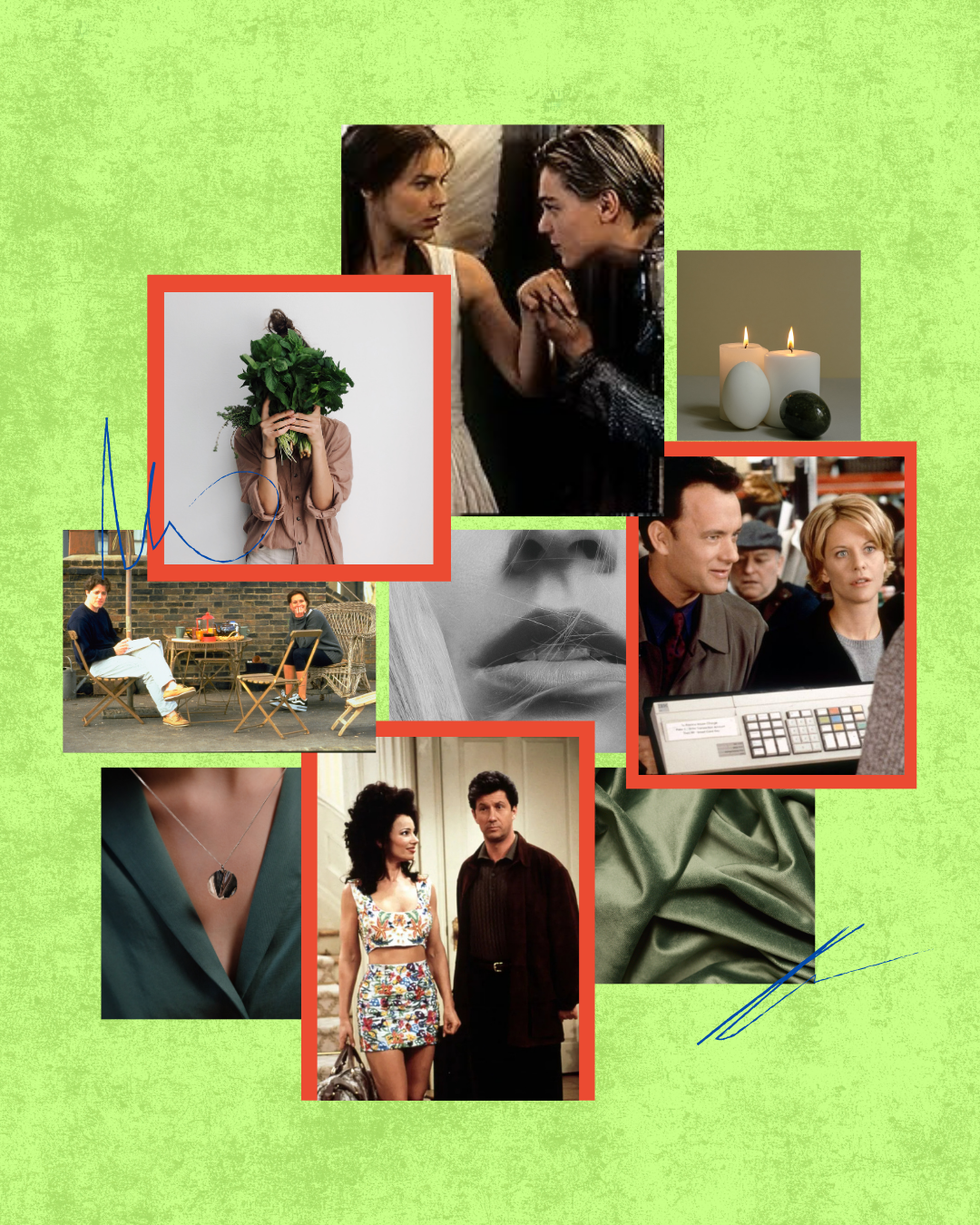
From Pinterest Trend to Personal Practice: The Evolution of Romanticizing Your Life

Why Women Lose Their Sense of Romance—and How to Gently Reclaim It

Romanticizing Your Life Is Not About Being in a Relationship

How to Romanticize Your Life In 6 Steps

You’re Not Selfish for Wanting More Beauty in Your Everyday Life
Romanticizing Your Life When You Don’t Feel Inspired (or Motivated)

A Meet-Cute to You: How to Romanticize Your Everyday Life (Books, Movies, and Little Luxuries)

Single, Married, Somewhere In Between: You Still Deserve a Romantic Life

How Busy Moms Can Romanticize Their Lives Without Guilt
Romanticizing Friendship: How to Create Meaningful Moments With Your Girlfriends
How to Romanticize Your Life Without Adding More to Your To-Do List