Why We Romanticize Certain Eras of Love (And What That Says About Us)
There’s a reason certain love eras feel magnetic.
The handwritten letters.
The 90s rom-com chemistry.
The idea of love before dating apps, before burnout, before everything felt so loud.
When we romanticize the past, we’re not saying we want to live there exactly as it was.
We’re revealing something about what we’re craving now.
And that matters.
The Appeal of “Simpler” Love Eras
Romanticized eras often feel calmer, slower, more intentional.
They promise:
Fewer choices
Clearer roles
A sense of certainty
In contrast to modern dating fatigue and emotional overload, the past feels… manageable.
But what we’re often responding to isn’t simplicity.
It’s clarity.
What Those Eras Actually Looked Like
Here’s the part nostalgia tends to skip.
Many “golden age” love stories existed alongside:
Limited freedom (especially for women)
Financial dependence
Social pressure to stay, not choose
Silence instead of communication
The love wasn’t purer — it was constrained.
Romanticizing the past doesn’t mean it was better.
It means it felt different from what we’re navigating now.
The Emotional Needs Nostalgia Fulfills
Nostalgia is rarely about history.
It’s about emotion.
We often romanticize past eras when we’re longing for:
Security
Belonging
Predictability
Feeling chosen without having to perform
Nostalgia comforts us by offering a story where love feels inevitable instead of exhausting.
Fantasy vs. Reality in Historical Romance
Historical romance gives us:
Grand devotion
Slow-burn longing
Love as destiny
Reality gave us:
Unequal power dynamics
Limited autonomy
Silence where communication should’ve been
Both can exist at the same time — but only if we’re honest about the difference.
Fantasy isn’t a failure.
It’s a lens.
How Media Shapes Our Nostalgia
Movies, books, and TV didn’t just preserve these eras — they edited them.
We remember:
The kiss in the rain
The letter that arrives at the perfect moment
The reunion that fixes everything
We forget:
The years of compromise
The lack of choice
The stories never told
Media nostalgia smooths the edges. That’s its job.
What Your Favorite Era Reveals About You
The era you romanticize often points to an unmet desire:
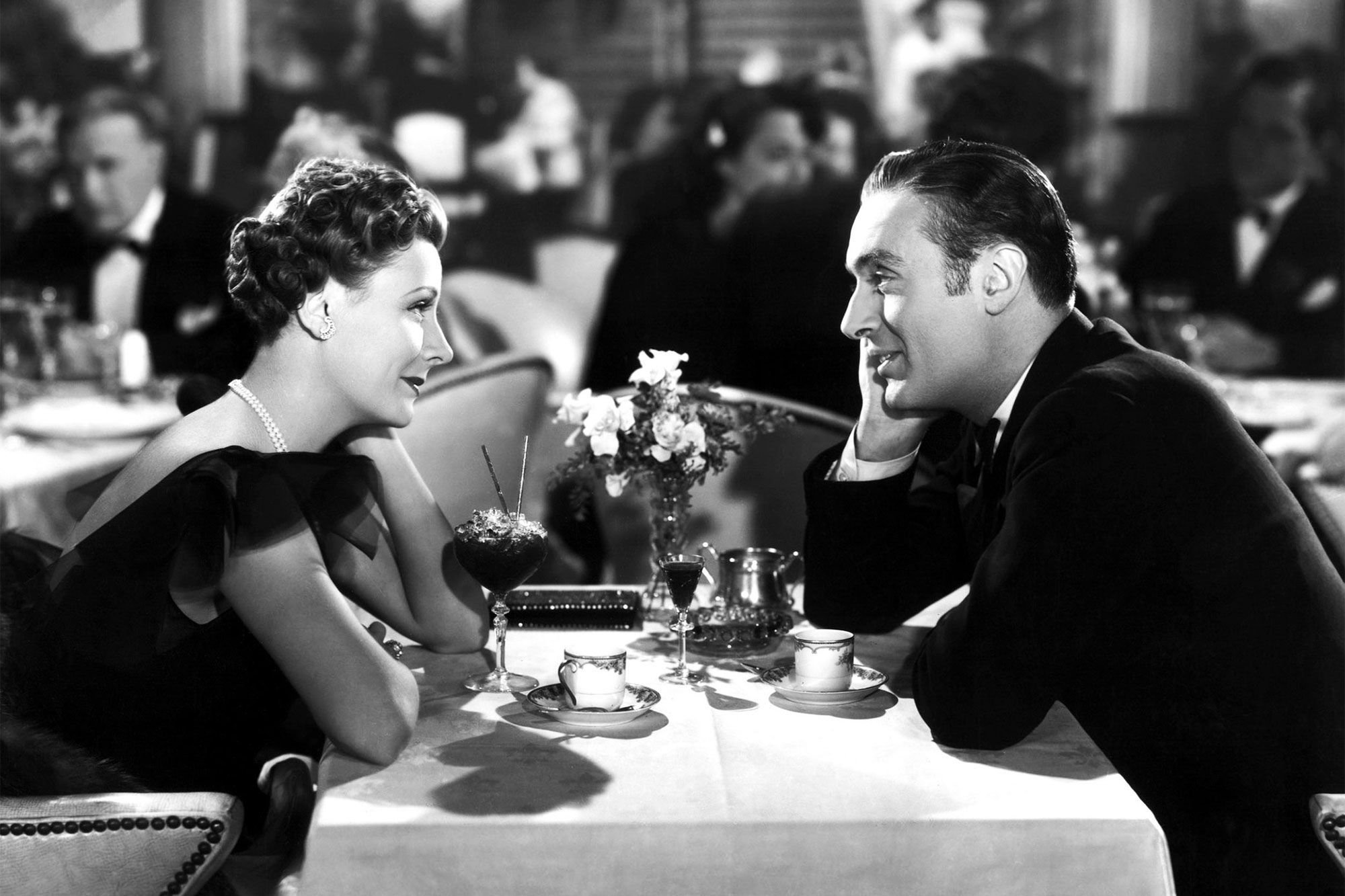
Old Hollywood romance: craving devotion and elegance
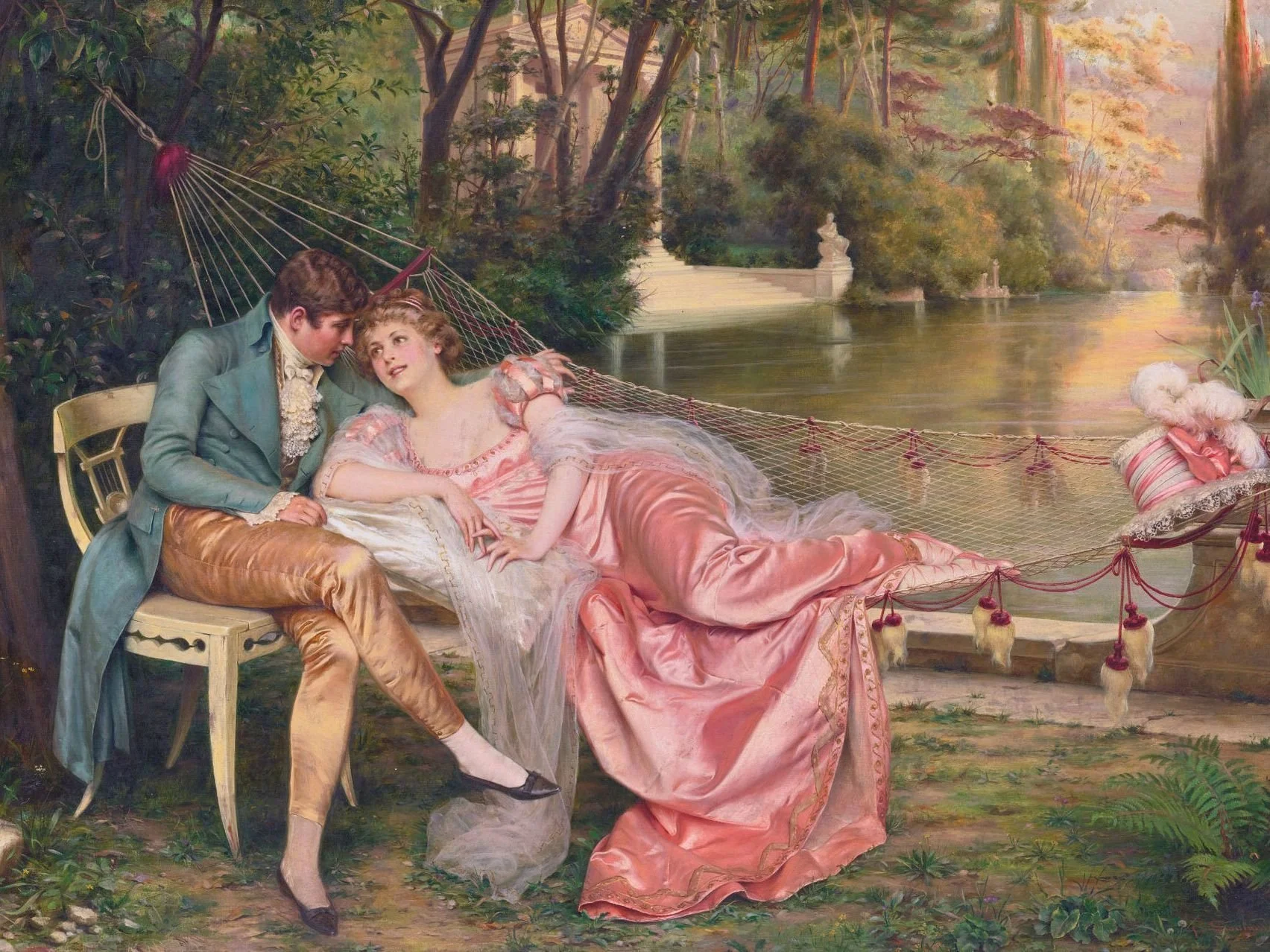
Regency or historical eras: longing for intention and pursuit
90s / early 2000s rom-coms: wanting chemistry without algorithms
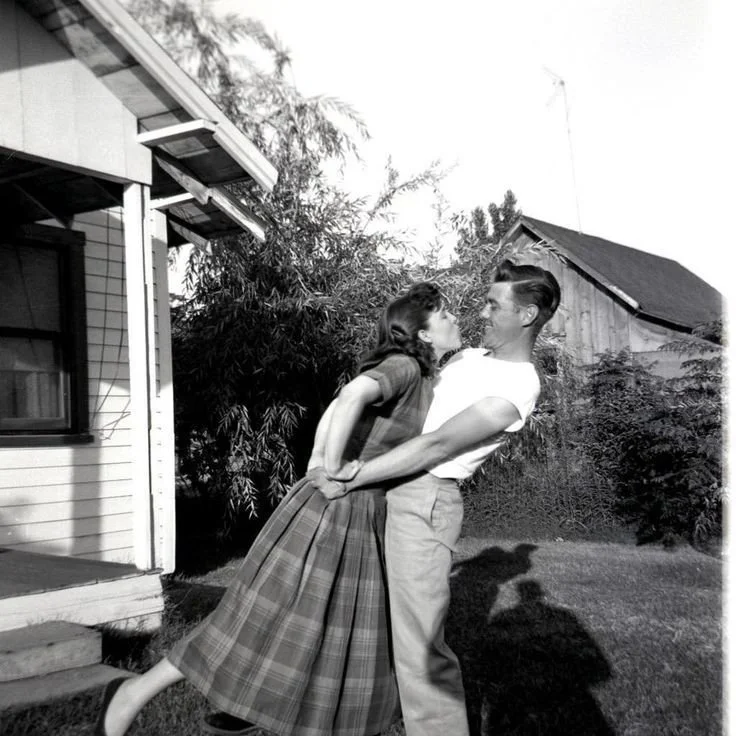
Pre-digital love stories: missing presence and slowness
None of this is shallow.
It’s deeply self-aware.
Finding Romance Now Without Escapism
The goal isn’t to stop romanticizing the past.
It’s to stop using it as an escape from the present.
You can bring forward:
Intention without limitation
Romance without restriction
Devotion without self-sacrifice
Modern love allows us to choose — not just endure.
Takeaway: Nostalgia Is Information, Not Instruction
Nostalgia isn’t telling you to go backward.
It’s telling you what you value.
Let it guide you — not trap you.
You don’t need to live in another era to experience romance.
You just need to understand what your heart has been asking for all along.
Romanticizing Your Life Is Not Escapism. It’s Emotional Presence.
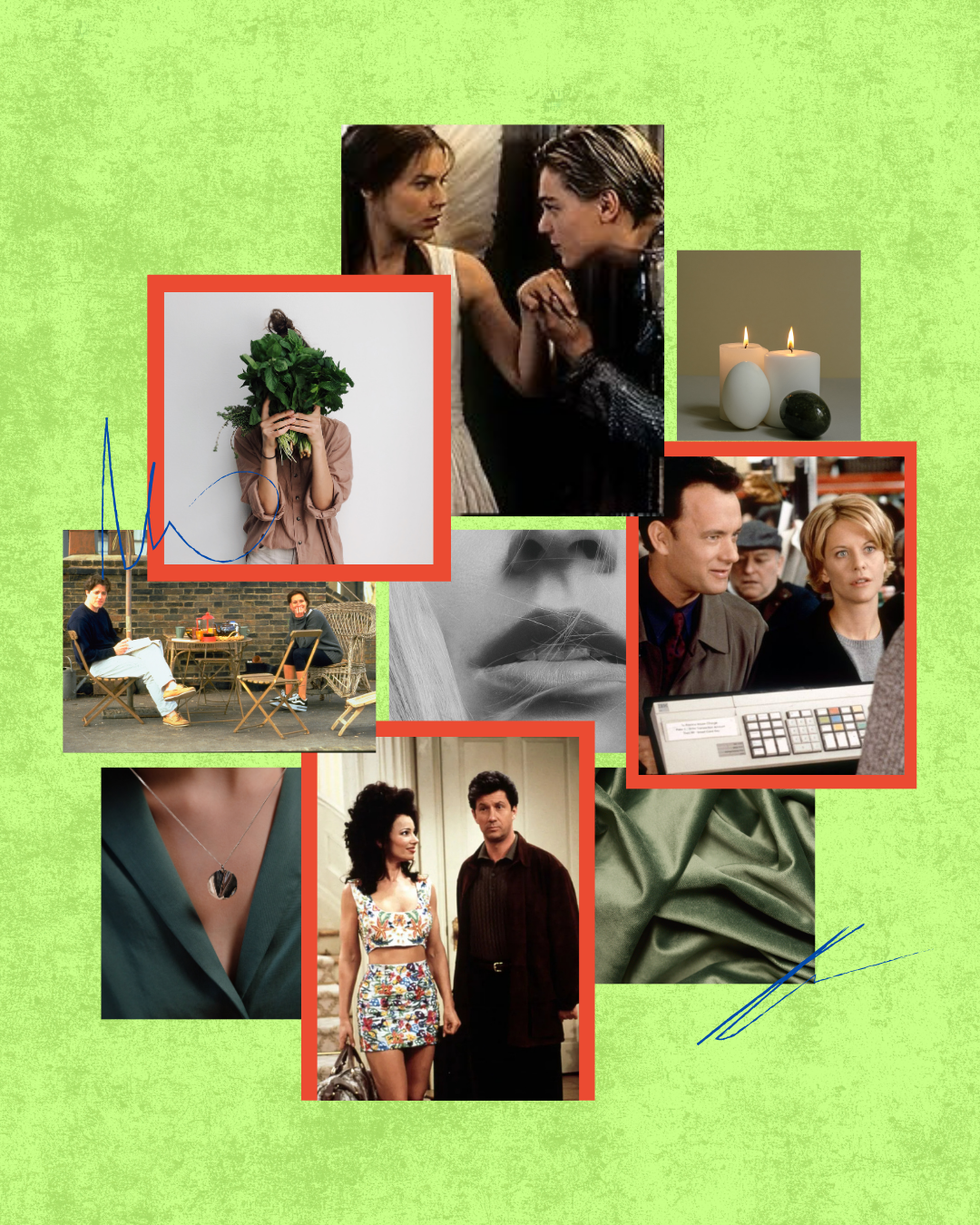
From Pinterest Trend to Personal Practice: The Evolution of Romanticizing Your Life

Why Women Lose Their Sense of Romance—and How to Gently Reclaim It

Romanticizing Your Life Is Not About Being in a Relationship

How to Romanticize Your Life In 6 Steps

You’re Not Selfish for Wanting More Beauty in Your Everyday Life

Romanticizing Your Life When You Don’t Feel Inspired (or Motivated)

A Meet-Cute to You: How to Romanticize Your Everyday Life (Books, Movies, and Little Luxuries)

Single, Married, Somewhere In Between: You Still Deserve a Romantic Life
How Busy Moms Can Romanticize Their Lives Without Guilt
Romanticizing Friendship: How to Create Meaningful Moments With Your Girlfriends

How to Romanticize Your Life Without Adding More to Your To-Do List